
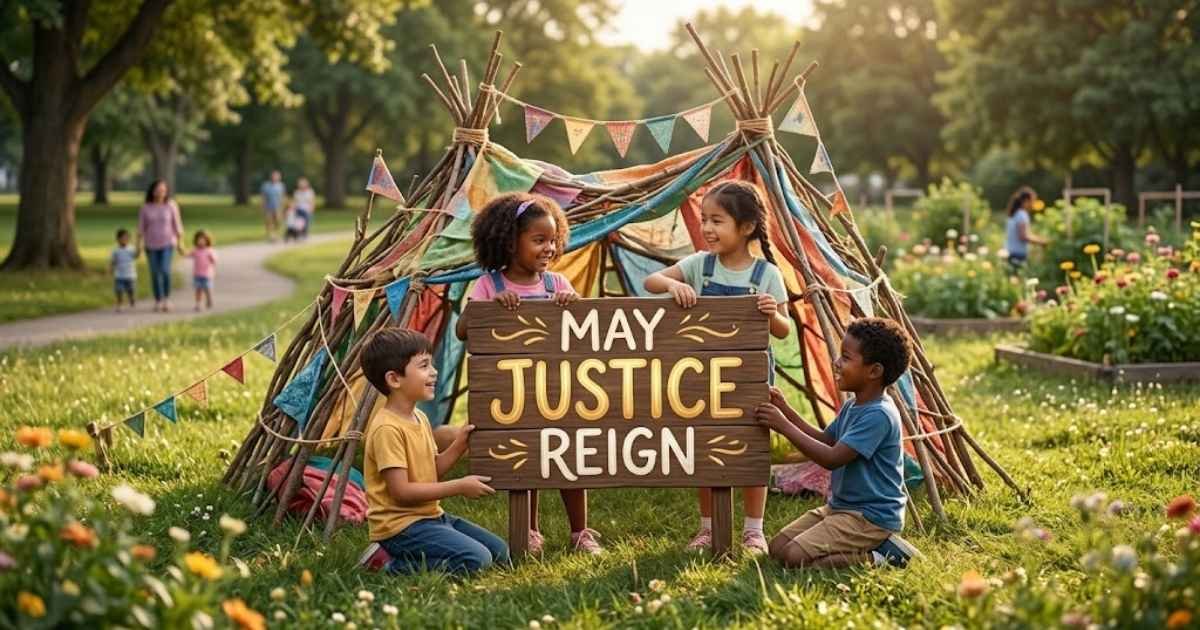
To Secure the Blessings of Liberty is a lasting idea rooted in American history and constitutional government. It represents the effort to protect freedom, justice, and the rights of every citizen. In the United States, liberty includes individual freedom, civil liberties, freedom of speech, and religious freedom. These rights help shape American democracy and support a society where people can live, work, worship, and express themselves freely. To Secure Blessings of Liberty also requires civic responsibility.
Citizens play an important role in preserving constitutional freedoms through informed choices, community involvement, and responsible citizenship. The goal of To Secure the Blessings of Liberty reaches beyond the present. It connects American citizens with future generations. The United States Constitution, Bill of Rights, rule of law, and democratic values provide an important foundation for protecting rights and freedoms. When people respect equal rights, participate in civic life, and support freedom and justice, they help To Secure Blessings of Liberty for everyone.
What Does To Secure the Blessings of Liberty Mean?
The phrase To Secure the Blessings of Liberty comes from the Preamble to the United States Constitution. It expresses a lasting goal: protect freedom, establish justice, maintain peace, and preserve constitutional rights for people today and future generations.
To Secure Blessings of Liberty isn’t simply about enjoying personal freedom. It also involves protecting the democratic institutions and constitutional freedoms that allow liberty to continue.
In practical terms, To Secure Blessings of Liberty means:
- Respecting individual freedom and constitutional rights
- Supporting equal justice and equal protection under the law
- Following the rule of law
- Protecting freedom of speech and freedom of religion
- Taking part in civic participation
- Respecting the rights and freedoms of other American citizens
- Supporting peaceful elections and representative government
- Accepting the responsibilities that come with citizenship
The idea connects directly with the founding principles of the United States. To Secure Blessings of Liberty requires a balance between individual rights and civic responsibility. Freedom works best when people understand both their liberties and their duties.
For American citizens, To Secure the Blessings of Liberty also means thinking beyond the present. Decisions made today can influence constitutional freedoms and liberty for future generations.
Why the Blessings of Liberty Matter in America
Liberty sits at the heart of American democracy. The blessings of liberty give people room to speak, worship, work, participate in government, build communities, and pursue their goals within the framework of law.
To Secure the Blessings of Liberty matters because freedom doesn’t maintain itself automatically. Democratic values depend on laws, institutions, participation, and a shared commitment to constitutional principles.
American liberty includes several important protections:
- Freedom of speech and expression
- Freedom of religion
- Equal rights and equal justice
- Protection of individual rights
- The right to participate in government
- Constitutional protections for individual liberty
- Peaceful political participation
- Access to representative government
The phrase To Secure Blessings of Liberty also reflects the broader American idea of freedom and justice. Liberty has meaning when people can exercise their rights while respecting the rights of others.
A healthy democracy needs more than legal protections. It also needs informed citizens who understand how the government works. When people stay informed and participate responsibly, they help To Secure Blessings of Liberty for their communities and for future generations.
Protecting Freedom Through Civic Responsibility
Freedom comes with responsibility. Civic responsibility encourages people to contribute to their communities while respecting the rights of others.
To Secure Blessings of Liberty requires more than knowing your constitutional rights. It also involves responsible citizenship and constructive community involvement.
Simple actions can make civic responsibility part of everyday life:
- Stay informed about public issues.
- Learn how local and national government works.
- Participate in elections.
- Respect different opinions.
- Follow the rule of law.
- Support peaceful civic participation.
- Volunteer in your community.
- Take part in public service when possible.
- Encourage respectful conversations about important issues.
For example, attending a local meeting may seem like a small step. Yet local decisions can directly affect schools, roads, public safety, parks, and neighborhood services.
That is why To Secure the Blessings of Liberty starts at the community level as well as the national level. Civic duty isn’t limited to major political events. It can appear in ordinary choices that strengthen trust and cooperation.
Ultimately, To Secure Blessings of Liberty means treating freedom as both a right and a shared responsibility.
Understanding the Role of the U.S. Constitution

The United States Constitution provides the framework for the federal government and establishes important limits on governmental power. Its principles shape the relationship between government, individual rights, and democratic institutions.
The Preamble to the Constitution introduces the purpose of the document and includes the enduring goal to secure the blessings of liberty for the people and their descendants.
The Constitution supports several foundational ideas:
- Constitutional government
- Separation of governmental powers
- Representative government
- Rule of law
- Protection of individual rights
- A system of checks and balances
- Democratic participation
The Bill of Rights adds important protections involving freedoms such as speech, religion, assembly, and other constitutional rights.
Understanding these principles makes To Secure Blessings of Liberty easier to appreciate. The Constitution isn’t merely a historical document. It provides a framework through which Americans can understand governmental authority and protected liberties.
At the same time, constitutional interpretation can involve complex legal questions. Courts, lawmakers, public officials, scholars, and citizens may debate how constitutional principles apply to particular circumstances.
Learning about the United States Constitution helps informed citizens participate thoughtfully in American democracy. It also supports the broader goal of To Secure Blessings of Liberty without treating freedom as something that should be taken for granted.
Respecting Individual Rights and Freedoms
Individual freedom allows people to make personal choices within the boundaries established by law. These freedoms form an important part of American constitutional life.
To Secure Blessings of Liberty means recognizing that constitutional freedoms apply across a diverse society. People may hold different beliefs, backgrounds, priorities, and opinions while still sharing fundamental rights.
Important areas of individual liberty include:
- Freedom of speech
- Freedom of expression
- Freedom of religion
- Peaceful assembly
- Individual privacy interests recognized by law
- Equal protection under the law
- Participation in civic life
Respecting rights doesn’t mean everyone must agree. Instead, it means recognizing that other people also possess rights and freedoms.
This principle strengthens American freedom because liberty becomes more meaningful when people can express different views without unnecessary interference.
The phrase To Secure the Blessings of Liberty therefore carries a broader responsibility. Protecting personal liberty requires respect for constitutional rights while maintaining the rule of law.
When American citizens understand both their own rights and the rights of others, they contribute to a stronger culture of responsible citizenship. That shared understanding helps To Secure Blessings of Liberty across communities with different perspectives.
Participating in Local and National Elections
Elections provide an important way for citizens to participate in representative government. Through voting and other lawful forms of political participation, eligible citizens can take part in choosing public officials.
To Secure the Blessings of Liberty includes maintaining meaningful civic participation. Elections give citizens an opportunity to express their preferences and take part in the democratic process.
Responsible participation can include:
- Registering to vote when eligible
- Learning about candidates and issues
- Reviewing reliable information
- Understanding ballot questions
- Voting in local, state, and federal elections
- Respecting peaceful election processes
- Encouraging others to participate lawfully
Local elections deserve attention too. City councils, school boards, county officials, and other local offices can make decisions that directly affect daily life.
National elections receive more attention, but local civic participation remains an important part of American democracy. Together, these forms of participation help To Secure Blessings of Liberty through representative government.
Peaceful elections also demonstrate an important democratic principle: political disagreements can be handled through established civic processes rather than through force.
When citizens stay informed and participate responsibly, they help preserve the democratic institutions that support To Secure Blessings of Liberty.
Supporting Freedom of Speech and Expression
Freedom of speech and freedom of expression are central parts of American constitutional life. They allow people to communicate ideas, criticize government, discuss public issues, and express different viewpoints within the protections and limits established by law.
To Secure Blessings of Liberty requires understanding why open expression matters in a democratic society.
Freedom of expression can support:
- Public debate
- Political participation
- Community discussion
- Journalism and public information
- Artistic expression
- Peaceful criticism of government
- Exchange of different viewpoints
- Civic education
However, constitutional freedoms can involve legal boundaries and complicated questions. Not every form of communication receives identical legal treatment, so understanding the applicable law matters.
Respecting freedom of speech also means accepting that other people may express opinions you strongly disagree with. That can be uncomfortable. Yet peaceful disagreement remains an important part of democratic life.
To Secure the Blessings of Liberty isn’t about making everyone think alike. It involves preserving a constitutional environment where lawful expression and civic participation can continue.
By protecting freedom of speech, respecting different viewpoints, and engaging in thoughtful public discussion, American citizens can contribute to To Secure the Blessings of Liberty while strengthening democratic values, civic responsibility, and national unity.
MORE INFO: 170 Powerful Spiritual Beautiful Good Night Blessings
Promoting Equal Justice Under the Law
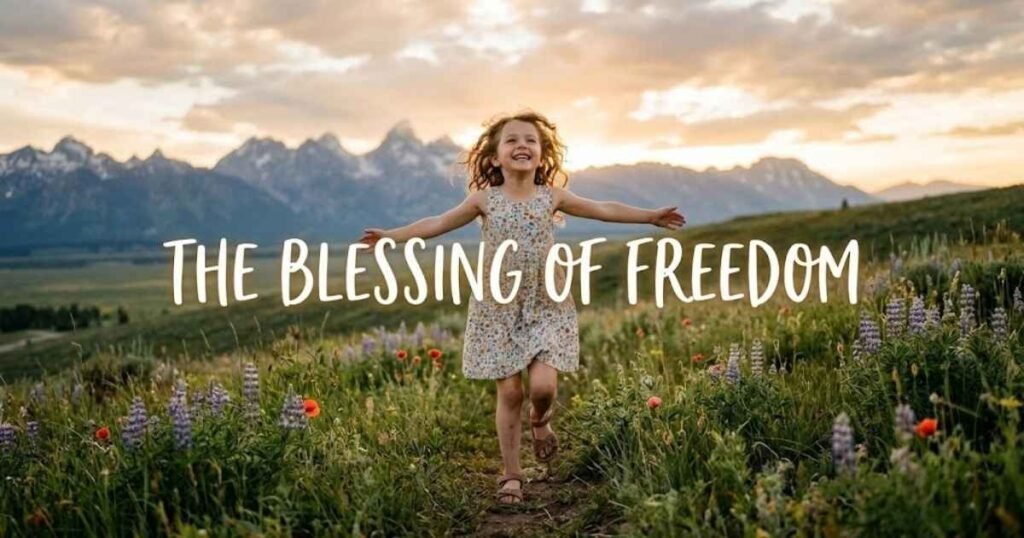
Equal justice is a core part of a free society. Every person deserves legal protection without unfair treatment based on personal identity, beliefs, or social position.
To Secure Blessings of Liberty means supporting the principle that laws should apply fairly and consistently. The rule of law helps create a system where government authority operates within established legal boundaries.
Equal justice involves:
- Respecting constitutional rights
- Supporting equal protection under the law
- Protecting civil liberties
- Respecting due process
- Supporting fair treatment through the legal system
- Recognizing the rights of American citizens
- Rejecting unlawful discrimination
The goal isn’t to make everyone identical. Instead, equal justice focuses on protecting rights and applying the law fairly.
For American democracy to remain strong, people need confidence that the constitutional government protects their basic freedoms. When citizens understand these principles, they become better prepared to support To Secure the Blessings of Liberty in everyday civic life.
Justice and liberty also work together. Freedom without equal legal protection can become fragile. By respecting the rule of law and constitutional freedoms, communities can strengthen freedom and justice for everyone.
Teaching the Next Generation About Liberty
Liberty becomes stronger when young people understand what it means. Children and students can learn that freedom involves both rights and responsibilities.
To Secure Blessings of Liberty for future generations requires more than preserving historical documents. It requires passing along an understanding of American democracy, civic duty, and constitutional rights.
Families, schools, and communities can teach young people about:
- The United States Constitution
- The Preamble to the Constitution
- The Bill of Rights
- Founding principles
- Freedom of speech
- Freedom of religion
- The right to vote
- Representative government
- Civic responsibility
- Community involvement
For example, a classroom discussion about the Constitution can help students understand why different branches of government exist. A community service project can show them how civic duty works outside the classroom.
Young people don’t need to memorize every constitutional provision to value liberty. They need a practical understanding of how rights, responsibilities, and democratic institutions connect.
When the next generation learns to respect different opinions while protecting constitutional freedoms, it becomes better prepared to To Secure the Blessings of Liberty.
Staying Informed About Civic Issues
An informed citizen can participate more thoughtfully in public life. Staying informed doesn’t mean following every political argument online. It means learning enough to understand issues that affect your community and country.
To Secure the Blessings of Liberty depends partly on informed citizens who can participate responsibly in American democracy.
You can build stronger civic awareness by:
- Following important local and national issues
- Learning how government decisions affect daily life
- Checking information before sharing it
- Understanding basic constitutional principles
- Paying attention to local government
- Learning about ballot measures when relevant
- Following election information from reliable sources
- Listening to different perspectives
Information moves quickly today. A dramatic headline can spread within minutes, while the underlying facts may require more careful attention.
That makes thoughtful civic participation especially valuable. Before accepting a claim, consider its source, evidence, date, and context.
Staying informed also helps citizens understand the difference between constitutional rights and personal opinions. This distinction supports responsible citizenship and makes To Secure Blessings of Liberty a practical civic goal rather than merely a historic phrase.
Respecting Different Views in a Free Society
A free society naturally includes disagreement. People can support different ideas about government, culture, economics, education, and community priorities.
To Secure Blessings of Liberty doesn’t require Americans to agree on every issue. Instead, democratic values allow people to express lawful opinions while respecting the rights of others.
Healthy disagreement can include:
- Listening before responding
- Asking questions instead of making assumptions
- Separating people from political ideas
- Respecting freedom of expression
- Avoiding threats and intimidation
- Discussing disagreements peacefully
- Accepting lawful democratic outcomes
- Looking for areas of common ground
Imagine two neighbors who disagree about a local policy. They can still cooperate on a neighborhood cleanup or community project. Their political differences don’t have to destroy their relationship.
That spirit matters because national unity doesn’t require complete agreement. A diverse country can maintain shared constitutional freedoms while allowing different perspectives to exist.
By respecting lawful expression and engaging in peaceful dialogue, Americans can help To Secure the Blessings of Liberty while preserving freedom and justice.
Strengthening Communities Through Service

Strong communities create practical opportunities for people to work together. Volunteering, helping neighbors, supporting local organizations, and participating in public service can turn civic responsibility into action.
To Secure Blessings of Liberty involves more than protecting abstract principles. It also means building communities where people can exercise their rights and contribute to the common good.
Community involvement can take many forms:
- Volunteering at local organizations
- Helping neighbors during difficult situations
- Supporting community programs
- Participating in neighborhood projects
- Serving on local boards or committees
- Supporting educational activities
- Helping with charitable efforts
- Taking part in lawful public service
Small contributions can create meaningful results. One person may tutor a student. Another might organize a neighborhood cleanup. Someone else may volunteer at a local food program.
These actions strengthen relationships and encourage responsible citizenship. They also demonstrate that civic duty isn’t limited to voting or political participation.
When people invest time and effort in their communities, they help create the conditions needed to To Secure the Blessings of Liberty for everyone.
How Americans Can Help Preserve Liberty for Future Generations
Preserving liberty requires long-term attention. The freedoms enjoyed today depend on constitutional protections, democratic institutions, civic participation, and responsible citizenship.
To Secure Blessings of Liberty for future generations means treating freedom as something worth understanding, protecting, and responsibly exercising.
Americans can contribute by:
- Learning about constitutional freedoms
- Respecting the rights of others
- Participating in elections
- Supporting peaceful civic participation
- Following the rule of law
- Protecting freedom of speech and religion
- Teaching young people about civic responsibility
- Serving their communities
- Staying informed about public issues
- Supporting equal rights and equal justice
- Protecting democratic institutions
- Encouraging respectful civic dialogue
Preserving liberty doesn’t require everyone to think alike. It requires people to recognize shared principles while allowing legitimate differences.
The phrase To Secure the Blessings of Liberty therefore reaches beyond one generation. It connects today’s responsibilities with the freedoms that future generations may inherit.
To Secure Blessings of Liberty also means recognizing that American freedom depends on both rights and responsibilities. Constitutional rights protect individual freedom, while civic participation helps sustain representative government.
Ultimately, To Secure Blessings of Liberty is an ongoing civic commitment. When American citizens understand their rights, fulfill their responsibilities, respect the rule of law, and participate peacefully in community life, they contribute to preserving liberty for future generations.
FAQ’s
Why is liberty important in American society?
To Secure the Blessings of Liberty protects individual freedom, constitutional rights, civil liberties, and opportunities for every generation.
How does the Constitution protect personal freedom?
To Secure the Blessings of Liberty relies on constitutional freedoms, legal protections, democratic institutions, and limits on government power.
What can citizens do to protect American freedom?
To Secure the Blessings of Liberty encourages civic participation, responsible citizenship, peaceful elections, community involvement, and respect for others.
How does voting support democratic values?
To Secure the Blessings of Liberty includes political participation through informed voting and peaceful representative government.
Why should young people learn about liberty?
To Secure the Blessings of Liberty helps future generations understand constitutional rights, civic duty, freedom, justice, and democratic responsibilities.
Conclusion
To Secure the Blessings of Liberty remains an important responsibility for every generation of American citizens. Liberty gives people the ability to speak openly, practice their faith, participate in government, and pursue their goals within the law. Yet lasting freedom requires more than constitutional protections. It also depends on civic participation, responsible citizenship, respect for equal rights, and commitment to the rule of law. These principles help strengthen American democracy and protect individual freedom.
By understanding the United States Constitution, respecting civil liberties, staying informed, serving local communities, and participating peacefully in elections, citizens can support To Secure Blessings of Liberty in meaningful ways. Freedom and justice become stronger when people recognize both their rights and their responsibilities. To Secure the Blessings of Liberty ultimately connects today’s civic actions with tomorrow’s opportunities. Protecting constitutional freedoms, democratic values, and personal liberty can help preserve American freedom and secure liberty for future generations.

Hazel Sophia is the founder and lead writer at BlessedPromise, creating meaningful blessings and heartfelt messages for every occasion. She is passionate about crafting original content that helps readers express their thoughts with sincerity and warmth.