
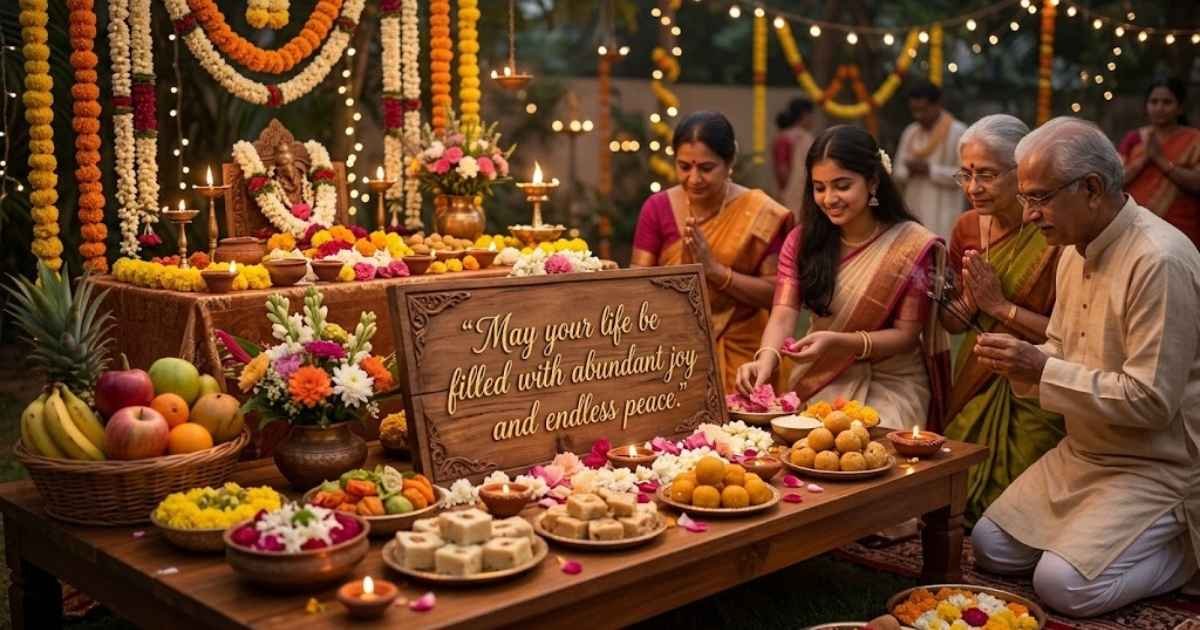
Creating an Altar of Blessings Sacred Buffet Devotee space can bring gratitude, prayer, and meaningful traditions into your daily life. Whether you want a peaceful prayer corner or a special place for family blessings, simple ideas can help you begin. The Altar of Blessings Sacred Buffet Devotee tradition focuses on spiritual reflection, sacred offerings, and appreciation for life’s gifts. You can use flowers, fresh fruit, meaningful symbols, or written prayers to create a welcoming atmosphere. These small touches can make your space feel personal and inspiring.
With the right approach, an Altar of Blessings Sacred Buffet Devotee practice can encourage kindness, generosity, and stronger family connections. Learn about sacred buffet offerings, daily prayers, altar decorations, and respectful devotion practices that suit your beliefs. Whether you’re creating your first blessings altar or refreshing an existing one, these helpful ideas can guide you toward a thoughtful and meaningful spiritual routine.
Meaning of Altar of Blessings Sacred Buffet Devotee
An altar of blessings represents a dedicated space for prayer, gratitude, reflection, and spiritual connection. Whether you create one in your home, use it during family gatherings, or maintain it as part of a personal faith practice, this sacred space can remind you to slow down and appreciate life’s meaningful moments. The idea of a sacred buffet adds another layer of symbolism through shared food, thoughtful offerings, and the generosity of giving.
The phrase Altar of Blessings Sacred Buffet Devotee can describe a person who values blessing-centered traditions, meaningful offerings, and spiritual practices that bring people together. Although specific beliefs differ across cultures and faiths, many traditions connect food, prayer, gratitude, and hospitality with a sense of devotion.
A blessing altar doesn’t need elaborate decorations or expensive objects. A clean table, a meaningful symbol, a candle where safe, and a sincere prayer may provide everything you need. What matters most is the intention behind the practice and the respect you show toward your own beliefs and those of others.
Sacred Buffet Devotee Traditions and Beliefs
Sacred Altar of Blessings Sacred Buffet Devotee traditions bring together the ideas of nourishment, generosity, and gratitude. In many communities, food plays an important role in religious ceremonies, seasonal celebrations, memorial gatherings, and family rituals. Sharing a meal can express welcome, strengthen relationships, and remind people that blessings often become more meaningful when shared.
For someone who follows blessing-centered practices, an altar may serve as a visual reminder of these values. It can represent appreciation for daily provisions, hope during difficult seasons, and a commitment to treating others with kindness.
Different cultures approach sacred offerings in their own ways. Some traditions include fruit, bread, flowers, or water. Others emphasize prayer, charitable giving, symbolic objects, or communal meals. These practices shouldn’t be treated as interchangeable because each community has its own history and spiritual meaning.
Here are several values commonly associated with sacred blessing traditions:
- Gratitude: Acknowledge the food, relationships, opportunities, and support that enrich your life.
- Generosity: Share meals or practical help with people who need assistance.
- Hospitality: Welcome guests with warmth, consideration, and respect.
- Reflection: Make time to consider your choices, responsibilities, and hopes.
- Community: Use shared traditions to strengthen connections with family, friends, and neighbors.
The most meaningful traditions of the Altar of Blessings Sacred Buffet Devotee are those you understand and practice sincerely. If you’re adopting a custom from another culture, learn its background and follow any guidance provided by members of that community.
Popular Altar of Blessings Practices
AnAltar of Blessings Sacred Buffet Devotee can support several simple spiritual practices. You might use it for morning prayer, evening reflection, gratitude journaling, or special family occasions. Instead of trying to perform elaborate ceremonies every day, choose a routine that fits your schedule and beliefs.
Morning gratitude is a popular starting point. Spend a few minutes acknowledging what you appreciate before beginning your daily responsibilities. You could name three things you’re grateful for, read a meaningful passage, or offer a prayer for patience and wisdom.
Another practice involves setting aside a small offering as a symbol of appreciation. Depending on your tradition, this might include fresh fruit, bread, flowers, or a cup of clean water. Treat these items respectfully and follow your faith’s guidance about preparing, presenting, or removing them.
You can also use your altar as a place for quiet reflection. When life feels overwhelming, sit nearby and consider what needs your attention. Write down a concern, identify one practical step you can take, and spend a moment seeking spiritual guidance.
Other meaningful practices include:
- Reading a favorite prayer or inspirational passage.
- Lighting a candle while remaining present and attentive.
- Keeping a gratitude journal beside the altar.
- Offering food to guests or donating groceries to a local pantry.
- Refreshing flowers or cleaning the space regularly.
- Gathering with loved ones for a short prayer before meals.
Consistency matters more than complexity. A five-minute practice that helps you live with greater gratitude may be more useful than an elaborate ceremony you struggle to maintain.
Spiritual Benefits of Sacred Buffet Devotion
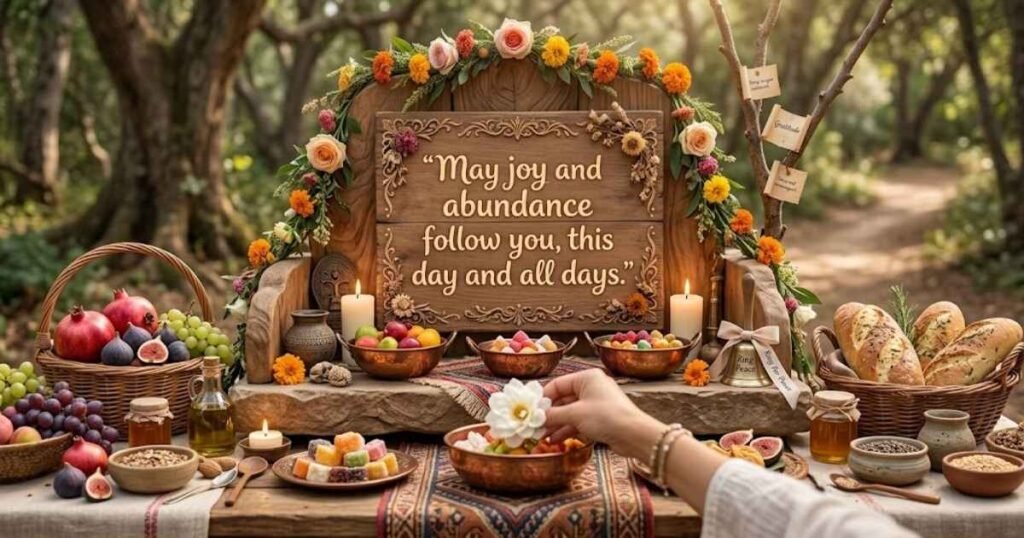
Sacred Altar of Blessings Sacred Buffet Devotee can encourage gratitude, reflection, generosity, and a stronger sense of connection. These benefits depend on how you understand and practice the tradition. An altar doesn’t guarantee specific outcomes, but it can help you establish habits that support a more thoughtful daily life.
One benefit is increased awareness of everyday blessings. When you pause to appreciate a meal, a supportive friend, or a new opportunity, you give ordinary experiences more attention. Over time, this practice may help you recognize positive aspects of life even when circumstances remain challenging.
Another benefit is emotional grounding. A familiar Altar of Blessings Sacred Buffet Devotee or quiet moment can create space between a stressful experience and your next decision. Although spiritual practices aren’t a substitute for professional mental health care when needed, many people find personal rituals comforting.
A shared sacred buffet can also strengthen relationships. Preparing food together, welcoming guests, and expressing appreciation create opportunities for meaningful conversations. These activities encourage cooperation and help family members feel included.
Here are additional ways this devotion may enrich your routine:
- Greater mindfulness: Regular reflection encourages you to notice your thoughts and actions.
- Purposeful giving: Sharing food can turn gratitude into practical generosity.
- Family connection: Shared rituals offer opportunities to discuss values and hopes.
- Personal discipline: Maintaining an altar encourages consistency and thoughtful care.
- Spiritual reflection: Prayer can help you consider your responsibilities and priorities.
Remember that Altar of Blessings Sacred Buffet Devotee shouldn’t become a source of fear or pressure. You don’t need expensive offerings or perfect rituals to express sincere gratitude. A simple practice can be deeply meaningful when it reflects your beliefs and encourages compassion.
How to Create a Sacred Blessings Altar
Creating a sacred blessings altar begins with choosing a suitable space. Look for a quiet, clean area where you can sit comfortably without frequent interruptions. A small shelf, side table, or dedicated corner may work well, especially if you have limited room.
Before adding anything, consider the purpose of your altar. Will you use it for Altar of Blessings Sacred Buffet Devotee, family gratitude, seasonal observances, or reflection? Defining its purpose helps you select appropriate items instead of filling the space with decorations that have little personal meaning.
Follow these practical steps:
- Choose a location: Select a stable surface away from busy walkways, excessive heat, and other hazards.
- Clean the area: Wipe the surface and remove clutter to create a peaceful setting.
- Add a foundation: Use a clean cloth or another suitable covering if it fits your tradition.
- Select meaningful symbols: Include items that reflect your beliefs, values, or spiritual commitments.
- Arrange the objects thoughtfully: Leave enough open space to prevent the altar from feeling crowded.
- Establish a routine: Decide when you’ll pray, reflect, or refresh the space.
- Maintain the altar: Remove wilted flowers, clean reusable objects, and replace food before it spoils.
Personalization makes the Altar of Blessings Sacred Buffet Devotee more meaningful. You might include a prayer book, a family photograph, a handwritten expression of gratitude, or a symbol associated with your faith.
If you share your home with children or pets, keep fragile objects, small decorations, matches, and candles out of reach. Battery-operated candles provide a safer alternative when you want a gentle glow without an open flame.
Essential Items for a Blessings Altar
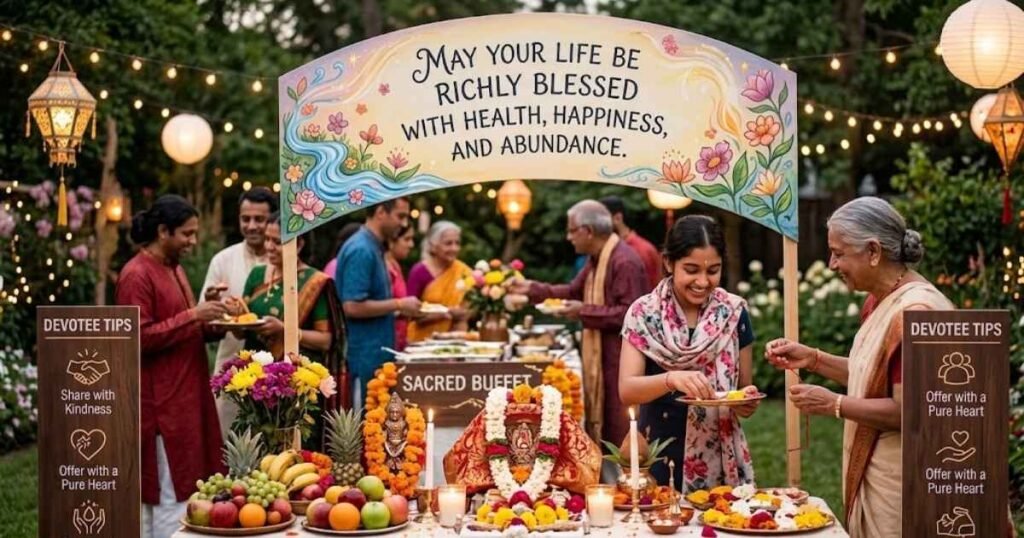
You don’t need a long shopping list to create a meaningful Altar of Blessings Sacred Buffet Devotee. Start with a few useful objects, then add items only when they serve a clear purpose in your practice.
The right choices depend on your faith, cultural background, available space, and personal preferences. Some people prefer a traditional arrangement with specific religious symbols. Others create a simple gratitude corner with a journal and a meaningful keepsake.
Common items include:
- A clean cloth: Provides a tidy foundation and can distinguish the altar from everyday household surfaces.
- A meaningful symbol: Represents your faith, spiritual commitments, or personal values.
- A prayer book: Keeps familiar prayers, readings, or reflections close at hand.
- Flowers or greenery: Add natural beauty and can symbolize renewal or appreciation.
- A journal and pen: Help you record blessings, concerns, intentions, and lessons.
- A small bowl or tray: Holds appropriate offerings while keeping the arrangement organized.
- A candle or LED light: Creates a gentle focal point for quiet reflection.
- A small amount of food or water: May be suitable when your tradition includes these offerings.
Every object should have a reason for being there. Avoid purchasing items simply because someone claims they’re required to receive blessings. Instead, learn the practices associated with your own tradition and choose objects you can maintain respectfully.
Keep the arrangement clean and uncluttered. A thoughtfully placed prayer book and a fresh flower can mean more to you than a table crowded with objects you rarely use.
Sacred Buffet Offerings and Their Meaning
Food offerings often symbolize gratitude, hospitality, abundance, and the desire to share what you have. Their meaning varies considerably between religious and cultural traditions, so it’s important to understand the custom you’re following rather than assuming every offering has the same significance.
Fruit may represent nourishment, natural abundance, or appreciation for the harvest. Bread can symbolize daily sustenance and community in some traditions. Water may represent life, renewal, or purification, depending on the belief system. Flowers often express beauty, remembrance, or reverence.
A sacred Altar of Blessings Sacred Buffet Devotee can also represent generosity through shared food. Preparing a meal for loved ones or providing groceries for a family in need turns symbolic gratitude into an action that benefits others.
Consider these common examples:
| Offering | Possible symbolic meaning |
| Fresh fruit | Gratitude, nourishment, and abundance |
| Bread | Sustenance, hospitality, and community |
| Clean water | Life, renewal, and care |
| Flowers | Beauty, remembrance, and reverence |
| Homemade food | Love, generosity, and shared connection |
| Written prayer | Hope, reflection, and spiritual intention |
These Altar of Blessings Sacred Buffet Devotee meanings aren’t universal rules. Follow the guidance of your own religious or cultural tradition when a particular offering has specific requirements.
Food safety also matters. Use fresh items, keep perishable foods refrigerated until needed, and remove offerings before they spoil or attract pests. Never leave food outdoors where it could harm wildlife or create sanitation problems.
If your tradition permits sharing offerings, consider distributing suitable food among family members, guests, or community organizations. Giving can express the heart of a blessing practice more clearly than collecting objects for display.
More Info: 121 Powerful Mother’s Day Blessings to Share Love and Joy
Daily Prayers for Blessings and Guidance
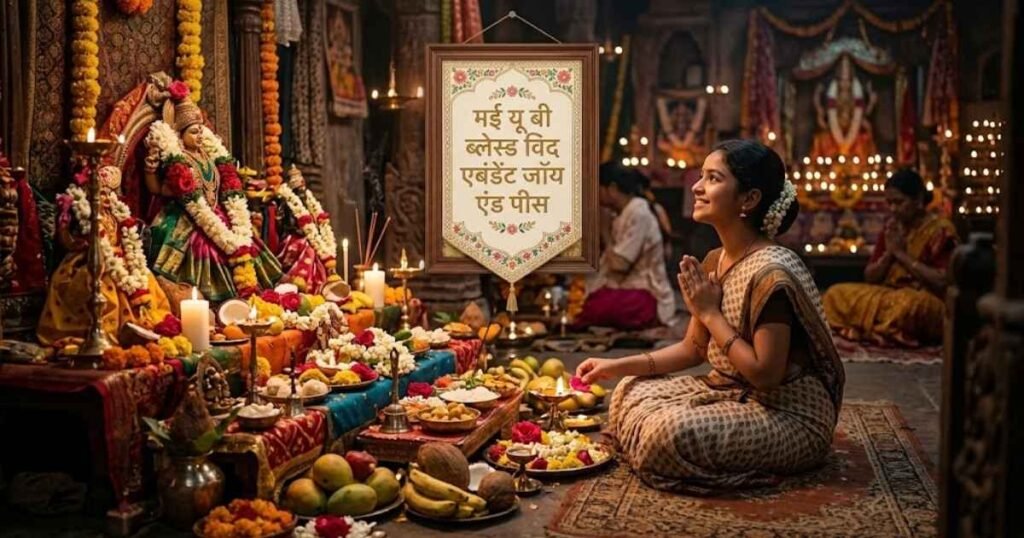
Daily prayer can help you approach ordinary responsibilities with greater intention. You might pray in the morning before work, during a quiet break, or at night while reflecting on the day. Choose a time that feels natural rather than forcing a routine that quickly becomes stressful.
Your Altar of Blessings Sacred Buffet Devotee can follow your religious tradition or use simple personal language. What matters is that the words reflect your sincere hopes, gratitude, and willingness to act responsibly.
Here are several examples you can adapt to your beliefs.
Morning prayer for gratitude
May I recognize the good in my life today. Help me approach each responsibility with patience, treat others with kindness, and use my opportunities wisely.
Prayer for guidance
Grant me clarity when decisions feel difficult. Help me distinguish what I can change from what I must accept, and give me the courage to take the next responsible step.
Prayer for family
May our home be filled with understanding, compassion, and mutual respect. Help us listen carefully, support one another through challenges, and appreciate the time we share.
Prayer for provision
May I remain grateful for the food, shelter, and support available to me. Guide me toward wise choices and remind me to share what I can with others.
Evening prayer for peace
Thank you for the lessons and kindness I encountered today. Help me learn from my mistakes, release unnecessary resentment, and prepare for tomorrow with hope.
You can write your favorite prayer in a journal or place a small card beside your altar. If you prefer traditional prayers, choose readings recognized by your faith community.
Altar of Blessings Sacred Buffet Devotee doesn’t remove every difficulty. However, it can remind you of the values you want to carry into challenging situations.
Altar of Blessings Rituals for Families
A family Altar of Blessings Sacred Buffet Devotee can provide a shared place for gratitude, reflection, and meaningful conversation. It doesn’t need to become a formal ceremony. Even a short weekly gathering can help family members reconnect amid busy schedules.
Begin by inviting everyone to contribute ideas. One person might choose a reading, another may arrange flowers, and someone else could prepare a simple meal. Giving each person a role helps the ritual feel welcoming rather than imposed.
Consider these family-friendly practices:
- Gratitude circle: Invite everyone to share one positive moment from the day or week.
- Meal blessing: Offer a short prayer or expression of thanks before eating.
- Weekly reflection: Discuss a challenge, a lesson learned, and one hope for the coming week.
- Kindness activity: Choose a practical way to help a neighbor or support a community organization.
- Seasonal celebration: Decorate the space with appropriate symbols connected to a holiday or family tradition.
- Remembrance gathering: Share stories about loved ones while following your family’s beliefs and customs.
Keep the activities suitable for each person’s age and comfort level. Young children may enjoy drawing pictures of things they appreciate, while teenagers might prefer choosing a reading or writing a private reflection.
Respect differences within the household. If family members follow different beliefs, agree on practices everyone can participate in comfortably. No one should feel pressured to pray in a particular way or disclose personal concerns.
Most importantly, focus on connection instead of perfection. A missed gathering doesn’t mean your family has failed. Return to the practice when everyone has time and energy.
Respectful Sacred Buffet Devotion Practices
Respect is essential when creating and maintaining a sacred altar. Religious symbols, offerings, prayers, and ceremonial objects can carry deep meaning for the people who use them. Treat these items thoughtfully, especially when they come from a tradition different from your own.
Start by learning the meaning of any practice you plan to adopt. A custom that appears decorative to an outsider may hold specific religious responsibilities or cultural significance. Reliable educational materials and knowledgeable members of the relevant community can help you understand those details.
Use these principles to guide your Altar of Blessings Sacred Buffet Devotee:
- Honor your tradition: Follow its guidance about offerings, prayers, symbols, and ceremonial practices.
- Avoid unsupported promises: Don’t assume an altar guarantees wealth, health, relationships, or specific outcomes.
- Practice freely: Let participation reflect sincere belief rather than fear or social pressure.
- Protect shared spaces: Keep your altar clean and avoid blocking household walkways.
- Handle offerings responsibly: Prevent food waste, spoilage, and harm to animals.
- Respect different beliefs: Welcome questions without mocking or pressuring others.
- Focus on ethical action: Express gratitude through honesty, generosity, patience, and practical help.
Be especially cautious when someone claims you must purchase expensive objects or pay for special rituals to avoid misfortune. Spiritual practices shouldn’t depend on manipulation or fear.
A respectful Altar of Blessings Sacred Buffet Devotee supports your values without replacing sound judgment. If you pray for guidance, pair that intention with practical steps, thoughtful decisions, and appropriate help when necessary.
FAQ’s
What items belong on a sacred blessings altar?
Choose meaningful symbols, fresh flowers, prayer books, or fruit to personalize your Altar of Blessings Sacred Buffet Devotee space.
How can daily prayers support spiritual growth?
Daily prayers encourage gratitude, patience, and reflection while helping your Altar of Blessings Sacred Buffet Devotee practice feel meaningful.
Which foods are suitable for sacred offerings?
Fruit, bread, and water may suit certain traditions, depending on your Altar of Blessings Sacred Buffet Devotee beliefs.
How can families practice blessings together?
Families can share meals, express gratitude, and pray together through simple Altar of Blessings Sacred Buffet Devotee traditions.
How often should you refresh a blessings altar?
Clean your altar regularly, replace wilted flowers, and remove spoiled offerings to maintain your Altar of Blessings Sacred Buffet Devotee space.
Conclusion
A meaningful Altar of Blessings Sacred Buffet Devotee practice doesn’t require expensive decorations or complicated rituals. Simple prayers, thoughtful offerings, and moments of gratitude can help you create a peaceful space that reflects your values. From arranging flowers and fruit to sharing meals with loved ones, every thoughtful action can add purpose to your spiritual routine. The most important part is choosing practices that respect your beliefs and encourage positive habits.
As you build your Altar of Blessings Sacred Buffet Devotee space, focus on sincerity, kindness, and consistency. Use sacred buffet traditions to express appreciation, strengthen family bonds, and support people around you. Keep your altar clean, select meaningful items, and make time for daily reflection when possible. With these simple ideas, your blessings altar can become a comforting reminder to appreciate life’s gifts, practice generosity, and approach each new day with hope.

Hazel Sophia is the founder and lead writer at BlessedPromise, creating meaningful blessings and heartfelt messages for every occasion. She is passionate about crafting original content that helps readers express their thoughts with sincerity and warmth.
1 thought on “170 Powerful Altar of Blessings Sacred Buffet Devotee Tips”