

Starting your child’s educational journey with the right preschool can make a wonderful difference. Little Blessings Preschool offers an opportunity for young children to enjoy early childhood education through creative activities, play-based learning, and friendly classroom experiences. A supportive learning environment helps toddlers develop confidence, communication, and essential social skills. From preschool learning programs to kindergarten preparation, early learners benefit from activities that encourage curiosity and independence.
Choosing Blessings Preschool also means considering qualified preschool teachers, child development programs, and classroom safety. Parents should understand the available Blessings preschool programs, enrollment requirements, and tuition fees before making decisions. Whether you’re comparing childcare facilities or exploring affordable preschool programs, knowing the benefits of Little Blessings Preschool can help you choose an environment that supports your child’s happiness, growth, and early learning needs.
What Is Little Blessings Preschool?
Choosing the right preschool gives your child a wonderful start toward lifelong learning. Little Blessings Preschool represents an early learning environment where young children can develop essential skills through guided activities, caring interactions, and everyday discoveries. These experiences help children become more comfortable with learning outside their homes.
A quality preschool combines education, creativity, playtime, and social interaction. Whether you’re considering a Little Blessings early learning center or another childcare facility, understanding its educational approach can help you make a confident decision.
- Early learning opportunities: Introduce children to letters, numbers, shapes, colors, and basic concepts.
- Child-centered education: Encourage young learners to explore their interests and develop natural curiosity.
- Social interaction: Help preschool students build friendships and practice sharing with classmates.
- Creative development: Include drawing, painting, music, storytelling, and imaginative play.
- Learning through play: Make everyday classroom experiences enjoyable, meaningful, and educational.
Early Childhood Education and Learning Approach
Early childhood education builds the foundation for future academic and personal growth. During preschool years, children develop important thinking abilities, communication skills, and emotional awareness. A supportive learning approach gives them opportunities to practice these abilities through enjoyable classroom experiences.
At Little Blessings Preschool, a balanced educational approach can combine structured lessons with hands-on learning and playful exploration. Children benefit when teachers introduce new concepts through stories, practical demonstrations, group activities, and age-appropriate educational resources.
- Play-based learning: Use games and interactive activities to introduce important educational concepts.
- Hands-on experiences: Let children touch, build, sort, count, and experiment with different materials.
- Language development: Encourage conversations, storytelling, vocabulary practice, and early reading activities.
- Cognitive development: Introduce puzzles, matching games, counting exercises, and simple problem-solving challenges.
- Individual learning: Recognize different abilities and give children opportunities to progress comfortably.
Preschool Programs and Age Groups
Every child develops at a different pace, so preschool programs should match individual developmental needs. Many American early learning centers offer separate classrooms for toddlers, younger preschoolers, and prekindergarten students. Each group receives activities suited to its age, attention span, and learning abilities.
When reviewing Little Blessings Preschool programs, ask which age groups the center accepts and how teachers organize classroom activities. Understanding the available options helps you select appropriate childcare services for your child’s current stage.
- Toddler learning programs: Introduce basic language, movement, sensory play, and simple social interactions.
- Younger preschool programs: Build vocabulary, recognize colors, practice counting, and encourage independent exploration.
- Preschool programs: Develop early literacy, number recognition, creative thinking, and classroom cooperation.
- Prekindergarten programs: Strengthen early academic knowledge and introduce kindergarten preparation activities.
- Extended childcare services: Some centers combine preschool education with before-school or after-school care.
Benefits of Little Blessings Preschool

Preschool offers more than an introduction to letters and numbers. It gives children a comfortable space to develop independence, explore new interests, and interact with others. These early experiences can make the transition into elementary school easier and more enjoyable.
The benefits of Little Blessings Preschool depend on its teachers, curriculum, classroom environment, and educational activities. A well-organized program supports several areas of early childhood development while giving children plenty of opportunities to learn naturally.
- Improved communication: Children practice expressing their thoughts, asking questions, and understanding instructions.
- Better social skills: Group activities teach cooperation, sharing, patience, and respectful communication.
- Greater independence: Everyday routines encourage children to manage simple personal responsibilities.
- Stronger thinking abilities: Educational games introduce reasoning, memory, observation, and problem-solving.
- School readiness: Classroom routines help children become familiar with structured learning and group instruction.
Daily Schedule and Classroom Activities
A predictable daily preschool schedule helps children feel comfortable and understand what comes next. Most quality programs balance learning sessions, meals, outdoor play, creative activities, and quiet time. This structure keeps young learners engaged without overwhelming their developing attention spans.
Parents considering Little Blessings Preschool should ask about daily routines and classroom organization. A thoughtful schedule gives children enough time to learn, move, socialize, and rest throughout the school day.
- Morning welcome: Teachers greet children and help them settle into classroom routines.
- Circle time: Students enjoy songs, calendar activities, stories, and group conversations.
- Learning sessions: Children practice letters, numbers, shapes, colors, and basic educational concepts.
- Outdoor play: Physical activities encourage movement, coordination, balance, and healthy habits.
- Meals and rest: Scheduled snack breaks, lunch, and quiet periods support children’s daily needs.
Creative Learning and Playtime
Children often understand new ideas more easily when they can experiment and have fun. Creative learning gives preschoolers opportunities to express themselves through art, music, movement, construction, and imaginative activities. These experiences also encourage curiosity and independent thinking.
A strong preschool curriculum includes more than worksheets and traditional lessons. Creative activities allow children to explore different materials while developing physical coordination, confidence, and problem-solving abilities.
- Arts and crafts: Provide crayons, washable paints, paper, clay, and child-safe craft materials.
- Music activities: Introduce singing, rhythm games, dancing, and simple musical instruments.
- Building challenges: Use blocks and construction toys to encourage planning and spatial awareness.
- Pretend play: Create pretend kitchens, grocery stores, classrooms, and other imaginative settings.
- Outdoor exploration: Encourage nature walks, sensory games, gardening, and supervised playground activities.
Social and Emotional Development
Learning how to understand feelings and interact with others is an important preschool milestone. Young children need regular opportunities to practice kindness, patience, cooperation, and communication. Supportive teachers can guide them through everyday challenges while encouraging healthy relationships.
A nurturing Little Blessings Preschool classroom also helps children develop emotional confidence. Through group games, shared responsibilities, and guided conversations, preschool students learn how to recognize feelings and respond appropriately to different situations.
- Friendship building: Encourage children to introduce themselves, play together, and develop positive relationships.
- Emotional awareness: Help students identify feelings such as happiness, sadness, frustration, and excitement.
- Sharing and cooperation: Organize activities that require teamwork, turn-taking, and shared responsibilities.
- Conflict resolution: Teach children to use words and seek adult guidance when disagreements happen.
- Self-confidence: Celebrate individual progress and encourage children to attempt new activities independently.
Must read: 210 Powerful New Years Blessings for Hope, Peace, and Joy
Kindergarten Readiness and Essential Skills
Starting kindergarten becomes easier when children already understand basic classroom expectations. Preschool introduces important academic foundations while helping young learners develop independence, communication, and listening abilities. These skills prepare children for the routines they will encounter in elementary school.
Kindergarten preparation should cover more than memorizing letters and numbers. Children also need opportunities to follow instructions, ask questions, participate in group activities, and manage simple daily responsibilities.
- Early literacy: Recognize letters, identify familiar sounds, enjoy books, and practice basic vocabulary.
- Early mathematics: Count objects, compare quantities, recognize shapes, and understand simple number patterns.
- Listening skills: Follow age-appropriate directions and participate in classroom discussions.
- Fine motor development: Practice holding crayons, turning pages, drawing, and using child-safe scissors.
- Classroom independence: Learn to organize belongings, clean up materials, and complete simple tasks.
Qualified Teachers and Caring Staff
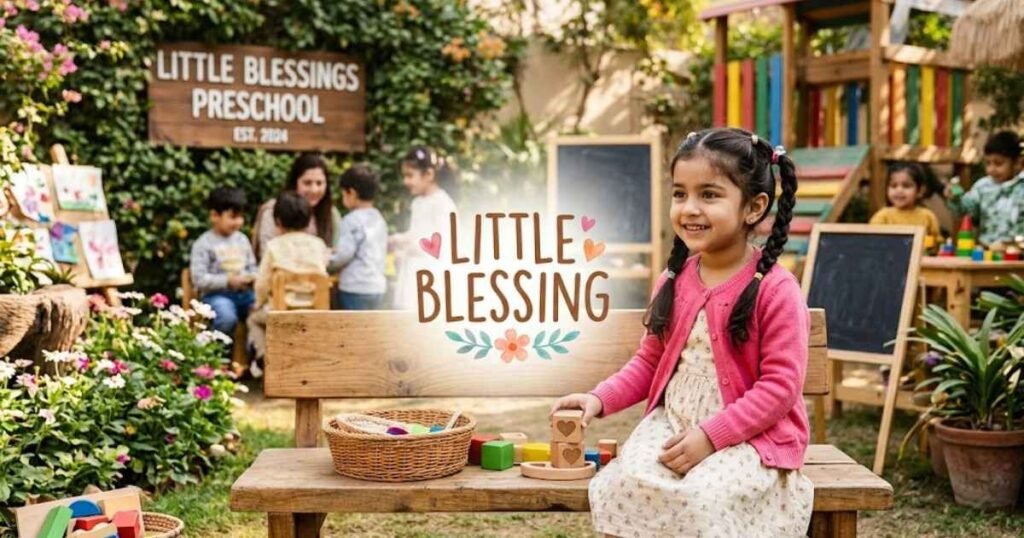
Teachers play a major role in shaping a child’s preschool experience. Young learners need patient adults who understand their developmental needs and encourage positive behavior. Qualified preschool teachers create welcoming classrooms where children feel comfortable asking questions and trying unfamiliar activities.
When evaluating Little Blessings Preschool, pay attention to teacher qualifications, classroom experience, and communication practices. Caring preschool teachers and caregivers should understand early childhood development and know how to support different learning styles.
- Early childhood training: Look for educators with relevant education, credentials, or professional training.
- Child development knowledge: Choose teachers who understand age-appropriate learning and developmental milestones.
- Positive communication: Observe how staff speak with children and respond to their questions.
- Individual attention: Ask how teachers support children who need additional encouragement or guidance.
- Parent communication: Look for regular updates about classroom activities, behavior, and learning progress.
Safe and Child-Friendly Learning Environment
A clean, welcoming classroom helps children feel secure while exploring new experiences. Preschool facilities should provide suitable furniture, age-appropriate toys, organized learning areas, and well-maintained play spaces. Safety should remain a priority throughout every part of the school day.
Before selecting Little Blessings Preschool, visit the facility and observe its classroom environment. Ask about supervision, emergency procedures, cleaning routines, and applicable state childcare licensing requirements. These details help you understand how the center protects young learners.
- Secure entrances: Check whether the facility controls visitor access and follows child pickup procedures.
- Clean classrooms: Look for regularly cleaned toys, sanitized surfaces, and organized learning materials.
- Safe playgrounds: Inspect outdoor equipment, protective surfaces, fencing, and supervision arrangements.
- Emergency preparation: Ask about fire drills, evacuation plans, first aid, and emergency communication.
- Appropriate supervision: Review teacher-to-child ratios and staff arrangements for different age groups.
Enrollment Process and Admission Requirements
Little Blessings Preschool enrollment usually begins with researching local centers and contacting their admissions teams. Parents can request information about available classrooms, operating hours, educational programs, and enrollment application procedures. Some facilities also arrange tours so families can observe the learning environment before making decisions.
If you’re interested in Little Blessings Preschool enrollment information, contact the specific center directly. Admission requirements, age restrictions, documentation, and available spaces can vary by location and program.
- Check age requirements: Confirm the minimum age for toddler, preschool, and prekindergarten classrooms.
- Complete an application: Request and submit the center’s enrollment application with accurate family information.
- Prepare documents: Ask whether staff require immunization records, emergency contacts, or health forms.
- Schedule a visit: Tour the classrooms and meet teachers before completing enrollment.
- Review school policies: Understand attendance rules, operating hours, payment deadlines, and withdrawal procedures.
Tuition Fees and Preschool Costs
Little Blessings Preschool tuition fees can vary considerably across the United States. Location, classroom age group, operating hours, staffing, and included services all influence the final cost. Full-day programs generally cost more than part-time schedules because they provide longer childcare coverage.
Before comparing affordable preschool programs, understand exactly what each tuition package includes. Some centers charge additional amounts for registration, meals, supplies, extended care, or special classroom activities.
- Monthly tuition: Compare the regular payment for full-time and part-time preschool schedules.
- Registration fees: Ask whether families must pay an initial application or enrollment charge.
- Additional expenses: Check for charges covering meals, uniforms, learning supplies, and special activities.
- Financial assistance: Ask about scholarships, subsidies, state childcare assistance, or income-based support.
- Payment policies: Review billing dates, late fees, deposits, and refund conditions before signing agreements.
Tips for Choosing the Right Preschool for Your Child
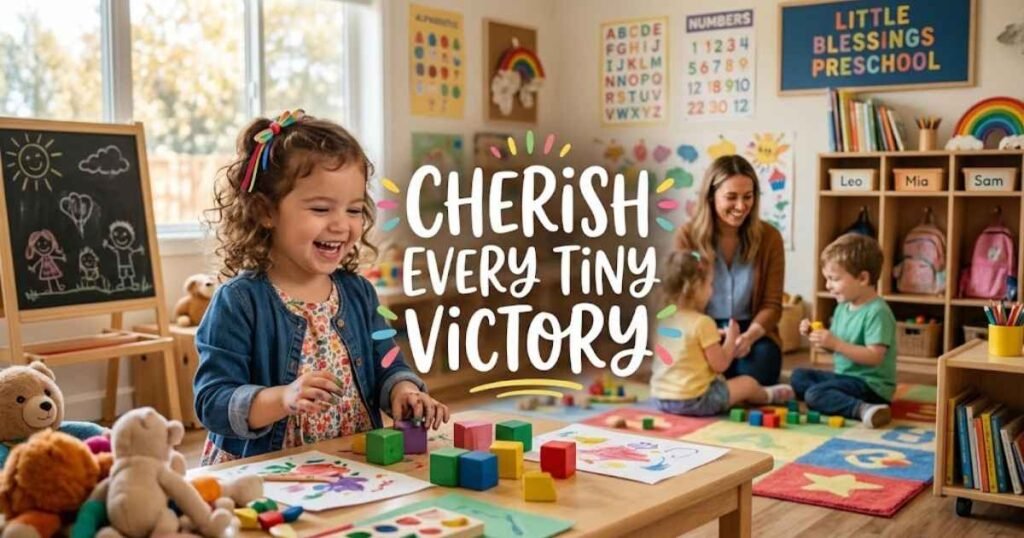
Finding a suitable preschool takes time because every child has different needs. Some children enjoy active group learning while others need quieter activities and additional encouragement. The best choice should support your child’s development while fitting your family’s schedule and budget.
Before enrolling, compare several childcare facilities and consider their educational programs, teachers, safety standards, and parent preschool reviews. A classroom visit can reveal details that brochures and websites often leave out.
- Visit the classroom: Observe how teachers interact with children during everyday learning activities.
- Review the curriculum: Choose programs that balance academics, creative activities, movement, and playtime.
- Check staff qualifications: Ask about teacher training, childcare experience, and ongoing professional development.
- Compare costs: Understand tuition fees, additional expenses, operating hours, and available financial assistance.
- Trust your observations: Consider whether your child feels comfortable, welcomed, and interested in the environment.
FAQ’s
What Age Can Children Start Attending Preschool?
Many children start preschool between ages three and four, depending on enrollment policies and developmental readiness.
What Learning Activities Help Preschoolers Develop?
Little Blessings Preschool encourages learning through stories, puzzles, art, music, counting, and interactive classroom games.
How Does Preschool Prepare Children for Kindergarten?
Little Blessings Preschool supports school readiness through early literacy, basic mathematics, listening, and classroom routines.
What Qualifications Should Preschool Teachers Have?
Qualified preschool teachers should understand child development, classroom management, early education, and age-appropriate teaching methods.
How Can Parents Compare Different Preschool Programs?
Compare Little Blessings Preschool programs by reviewing tuition, safety, teacher qualifications, classroom activities, and parent feedback.
Conclusion
A positive preschool experience can shape how children approach learning, friendships, and everyday challenges. From creative classroom activities to early literacy and number recognition, quality preschool education gives young learners valuable opportunities to grow. A caring teacher, welcoming classroom, and balanced preschool curriculum can make each school day more meaningful. Parents should also consider safety standards, teacher-to-child ratios, and communication practices when comparing childcare options.
Before choosing Little Blessings Preschool, review its educational approach, available programs, admission requirements, and tuition costs. Look for Blessings Preschool features that match your child’s age, personality, and developmental needs. The right early learning center should encourage curiosity, independence, and social development. With thoughtful research, you can select Little Blessings Preschool or another suitable program that prepares your child for kindergarten and builds a strong foundation for future success.

Hazel Sophia is the founder and lead writer at BlessedPromise, creating meaningful blessings and heartfelt messages for every occasion. She is passionate about crafting original content that helps readers express their thoughts with sincerity and warmth.
1 thought on “Little Blessings Preschool: 10 Amazing Benefits and Programs”